Blog

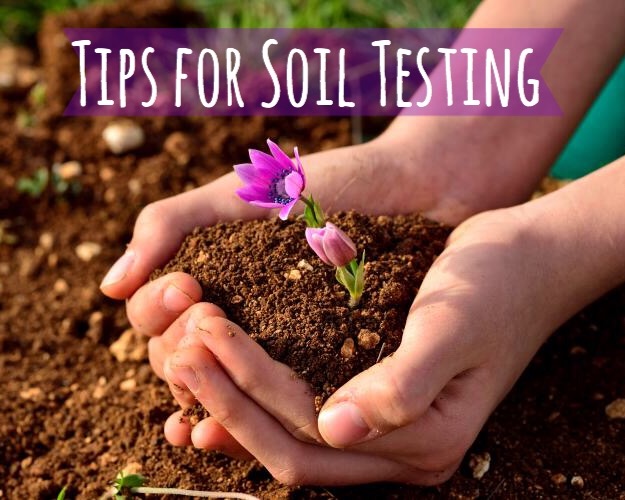
Tips for Soil Testing: A Gardening Necessity

FullSizeRender (4).jpg

If you want a vegetable garden this fall, get your garden soil tested soon. Tests are free from University of Agriculture Division of Agriculture through your county extension agent. A test will tell you this about your garden’s soil:

  • Levels of 10 soil nutrients critical for health and vigor, as well as flowering and fruit.
  • Its pH, which affects growth and how well plants can absorb nutrients from the soil.
  • Recommendations for three major nutrients (nitrogen, phosphate, and potassium), if your soil needs them. (A standard recommendation for nitrogen is given rather than specific to your test results. It is too unstable to test for reliably, an agent told me. The other two are based on your test results.)
  • What to add to correct a pH if it is too acid or too base (neither is good). Plots that have never been gardened can be extremely acidic, far below range for vegetables to thrive.

The report recommendations for home gardeners will be per 1,000 square feet and will be phrased something like: “Apply 2 lbs. of urea or 3.5 lbs. 34-0- 0.” You may be stumped by such a statement. You don’t know if urea is something you’d want to use on your garden, even if you knew a source. You may want to use something else but don’t know what or how much you’d need.

The 34-0- 0 tells you the percentages by weight of nitrogen (N), phosphate (P), and potassium (K) in urea. Urea is 34 percent N.

If this is already sounding too complicated, DO get the test done and then DO this, ideally a month or so before you plant: Sprinkle as evenly as possible over your garden, and work in well all at once, the following:

  • Lime at amount recommended. Be sure to get agricultural lime, NOT gypsum or dolomite, unless the report says to.
  • A layer of well-decayed compost, two inches or more. Do not rely only on compost to supply needed nutrients. Its main value is added organic matter, which improves availability of other nutrients.
  • A good all-purpose organic fertilizer, one that covers the spectrum of essential nutrients. Apply at a higher or lower rate, depending on what you know about your soil needs.
  • Optional: Trace minerals. Two sources: Azomite volcanic rock dust or kelp meal.

You may want to be able to select specific fertilizers (e.g., blood meal or kelp) to remedy a specific deficiency. To calculate how much you’ll need, use your report recommendations. In the example above, the report said the amount of pure N needed was: .68 lbs. (34% of 2 lbs.)

If you know the rates of N in other products, you can do the math or a make rough estimate:

Blood meal (12% N) has about one-third the N that is in urea (34%) so you would need almost three times as much (6 lbs.). Or you can solve for x: .68 divided by .12 = 5.66 lbs.

Feather meal (16% N) has about half the N that is in urea so you would need nearly twice as much (4 lbs.). (.68 divided by.16 = 4.25 lbs.)

Alfalfa meal (3% N) has about one-tenth the N as in urea so you would need a little more than 10 times as much. (.68 divided by.03 = 22.7 lbs.)

If any of what I just said makes sense, you are now off to the races!

Locally I look to Farmers Association for OMRI-approved amendments such as soft rock phosphate, kelp, potassium sulfate, greensand, and the three meals list above. Nitron Industries in Fayetteville stocks a wide array of such products that make the day’s drive worthwhile. And then there is always Amazon.

-Written by ALFN Vendor Nancy Dockter of Great Day Natural Produce

Why I Support ALFN

Alex Handfinger is the Cooking Matters Director at the Arkansas Hunger Relief Alliance, and a longtime supporter of the Arkansas Local Food Network. Not only does he serve as Secretary for the ALFN Board of Directors, he is also Secretary of the Board for the Arkansas Coalition for Peace and Justice, and a founding member of Little Rock Collective Liberation. He also enjoys playing music, soccer, and going to the dog park. We asked him to write a little bit about why he loves ALFN so much!

I’ve been involved with ALFN for about seven years now! When I first moved to Little Rock from Gainesville, Florida, I quickly sought out the best farmers’ markets in town. When I was at the Argenta Market on the last day of their season, I met someone tabling for ALFN (well, ASN at the time) who let me know that I could still shop from a lot of these same vendors year-round at their online market. The ease and convenience quickly hooked me, and then I started volunteering when they’d send out desperate last-minute pleas for volunteers. I eventually became a Saturday Food Club Coordinator, then Director of Operations, and now serve as Secretary of the Board!

I’ve spent all of this time with ALFN because I believe it’s part of a bigger picture of how to build a stronger and more resilient community. Every single day, we vote with our wallets on what kind of world we want to see, and I want to see a world with thriving small, diversified, and sustainable farms run by family-owned businesses. I want food at the peak of its’ nutritional quality and taste, with varieties and flavors that you simply can’t find at the grocery store. And I believe that if we want healthy, local food to be accessible to everyone, that those of us that can have to quite literally put our money where our mouths are. It also doesn’t hurt that we have the BEST and widest selection of any farmers’ markets in the state, plus I don’t have to be up early on Saturday to get the best produce ; )

It’s been amazing to watch ALFN grow and evolve over the years, and it’s hard to imagine Little Rock without it.

Seasonal Produce: June In Arkansas

EatThisNowJUNE.jpg

We consider June to be one of the sweetest months in Arkansas! Berries are plentiful, and we’re not mad about it. Here’s what produce you can buy in season this month, and the links to shop our locally grown online farmer’s market:

Blackberries

Pint or quart?

Blueberries

Buy them fresh or frozen for your morning smoothies.

Strawberries

Is there anything sweeter than an Arkansas strawberry?

Potatoes

From humble potato to the star of Brunch.

Beans

Shop our frozen beans for easy storage and cooking.

Squash

Slice ’em, dice em’, put ’em in a stew!


Memorial Day Farm-To-Grill Recipes

On Monday we remember those who died serving our country in our armed services. For many, this day of remembrance will include time off with family and firing up the grill in celebration of warmer weather. We’ve collected a few of our favorite grill recipes to help inspire your Memorial Day meal, but don’t put these on the shelf after Monday! Shop our market Sunday-Wednesday and stock up on supplies for a fun Arkansas picnic at one of our gorgeous state parks. Bon appetit!

Grilled Sriracha-Tahini Sweet Potato Skewers with Halloumi

If you haven’t had grilled halloumi yet, you HAVE to give it a try. We love the Garlic and Chive Halloumi from White River Creamery.

Grilled-Sriracha-Tahini-Sweet-Potato-Skewers-with-Halloumi

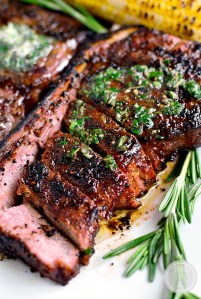
Grilled Steak with Herb Butter

When it comes to grilled meat, we believe in starting with the best cuts and keeping the dressing simple. This recipe from Iowa Girl Eats is understated and delicious. You can’t go wrong with any of the divine meat from Grassroots Farmer’s Co-Op. Pair it with a simple fresh salad tossed in olive oil, salt, and balsamic vinegar. We love the organic salad mixes from Armstead Farms. If you’re doing it up veggie-style, check out this recipe for Grilled Chipotle Lime Cauliflower Steaks.

Perfect-Grilled-Steak-with-Herb-Butter-iowagirleats-03

Grilled Angel Food Cake Kabob

To make this recipe more seasonal for Arkansas, use fresh strawberries from Barnhill Orchards and preserved peaches from Green Acres.

angel food.jpg


A Few of our Favorite Cookbooks

We still love cookbooks! Here are 10 of our favorites. 

cookbooks

  1. The Smitten Kitchen by Deb Perelman – the best meatloaf recipe EVER is on page 187.
  2. One Part Plant by Jessica Murnane – if you need some inspiration for Meatless Mondays or are already a committed vegetarian, this cookbook is perfect. Jessica’s recipes are approachable and EASY. Perfect weeknight meals in this one.
  3. Nourishing Traditions by Sally Fallon – great resource for traditional recipes with all the details and instructions to walk you through them. Her sauerkraut recipe works like a charm every time!
  4. Fast Food My Way by Jacques Pépin – beautiful and simple French inspired recipes that are quick enough for a weeknight meal and elegant enough to entertain. Try the Raspberry Gratins for a lovely and addictive dessert!
  5. Love Real Food by Kathryne Taylor – another vegetarian star from the Cookie and Kate blog. Fabulous salads!
  6. A Kitchen in France by Mimi Thorisson – this cookbook is best enjoyed curled up in a cozy chair with a hot cup of tea on a rainy afternoon. Mimi’s story will transport you to the French countryside and her recipes will not disappoint.
  7. The Moosewood Cookbook by Mollie Katzen – a collection of favorite recipes from Moosewood Restaurant in Ithaca, NY, you’ll be glad to have found this recommendation. It’s a hidden jewel and a darling cookbook all hand-lettered way before that was a thing.
  8. One Pan, Two Plates by Carla Snyder and Jody Horton – cooking for less always seems to be more challenging than cooking for a crowd. These recipes are one-pot wonders that make weeknight meal prep a breeze.
  9. Thug Kitchen by Thug Kitchen LLC – the official cookbook from the folks that write the blog by the same name.
  10. Joy of Cooking by Irma Rombauer – called “a fundamental resource for any American cook” by Julia Childs, this cookbook is an all-time classic! Every kitchen should have a copy on the shelf.

Grower Spotlight: Armstead Mountain Farms

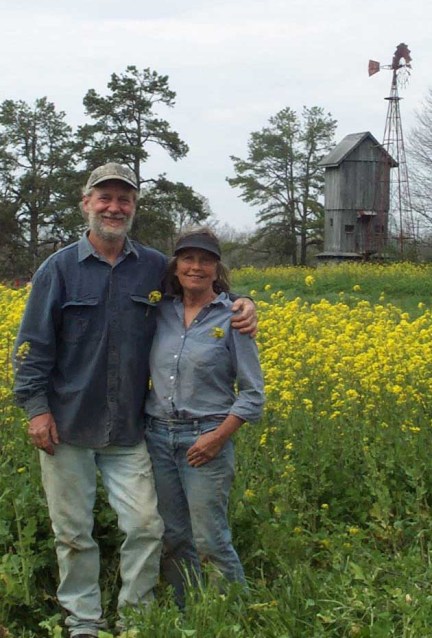
Once known locally as “The Potato People” for the 30 varieties of potatoes they would bring to River Market every week, Sue and Rusty Nuffer are more widely known as the first organic farmers in Arkansas. I have never met anyone who didn’t have a kind word to say about this farming duo, and have never tasted more delicious greens! 

rustysuemustardMini

How did you get into farming?

Sue & Rusty: Rusty bought Armstead Mtn. Farm in 1972 with his first wife Nancy and a group of friends from Ann Arbor, Michigan. They were determined to be self-sufficient horse-powered organic farmers that lived off the land. This communal effort lasted several years before the reality of life in the Ozarks and the work involved drove off most people. By 1976, it was down to just Rusty and Nancy and their first daughter. A son and another daughter would follow. The farm’s first business involved the purchase of a registered Suffolk Punch stallion and 5 registered mares. Along with the draft horse foals, the first crops grown for the developing organic market were sweet potatoes and Irish potatoes. Sue and her first husband Brian arrived in 1975 with a son and daughter. They bought Hatley Mtn. Farm (about 4 miles from Armstead) with the intention of growing organic blueberries. Their 2 acres of blueberries was one of the first organic plantings in Arkansas and their marketing expertise opened up the organic market for products from both farms. Both farms joined the Ozark Organic Growers Association (OOGA) in the late 80’s and cooperatively marketed their produce to the early organic wholesale market with about 20 other growers scattered across the  Ozarks.  This lasted about 10 years with Sue being Market Manager for 3 of those years. What put an end to OOGA was a bunch of California growers seeing the potential of the growing organic market  decided to convert to organic and sell below cost to drive out all the small growers. It worked! During this time there were changes on the mountain too and Sue and Rusty were now a couple and combined their farms. In 1997 they had an unsold  potato crop and decided to try out selling at the River Market. Known as the “Potato People” at first, they grew as many as 28 varieties one year. Soon they spread out to grow many varieties of vegetables, taking an average of 30 varieties to the market a week.

When did you start getting involved with ALFN? (formally known as the Arkansas Sustainability Network)

Sue & Rusty: After 10 years at the market, getting up at 2:00am and driving 90 miles to L.R., we were wearing out. The River Market was a joy to do because of all our wonderful  customers and if we were closer we’d still be involved. We had met a lot of chefs at the market and we told our customers that we were going to try to sell just to restaurants and wouldn’t be there next year. A few of our customers asked if they could buy in bulk and divide it between themselves. Of course we said yes and the food program of Arkansas Sustainability Network (ASN) was born. We were the only farm involved at first.

P1000283.jpg

What was it like being involved with ALFN early on?

Sue & Rusty: Thinking back, the most amusing and heartwarming experience in the early days of ASN was it’s humble beginnings The pickup location was a bike shop that repaired old and used bikes to resell or donate. ASN was allowed a large room for the Saturday produce distribution. We would bring a truck load of coolers and totes with blue ice in them and cover with blankets to keep them cool. No refrigerators then! The none refrigerated product such as potatoes would be in 50 pound boxes. The volunteers did the rest of the work of dividing our bulk delivery. A shout out goes to the early leaders of ASN, Katy Elliot and Nao Ueda for their vision and organizational skills and to all the volunteers. Compared to the efficiency of today’s ALFN with it’s great Locallygrown computer program, refrigerator and freezer space, ASN’s beginning was bare bones simplicity but it worked.

Which of your products would you recommend to new customers?

Sue & Rusty: We have always grown our produce as if we were growing it for ourselves to eat. We are USDA Certified Organic and have always followed organic standards. Our broccoli is available now and we will soon have our delicious carrots and beets. (editor’s note: I highly highly recommend any of their greens! They stay good for weeks and are bursting with flavor).

DSCN0906.JPG

Community Cookbook: Make-Ahead Breakfasts

We all know that breakfast is the most important meal of the day, but it’s also one of the easiest to forget. Well, I say “forget” but what I really mean is “Oops I hit the snooze button 5 times”. Wouldn’t it be great if we had breakfast waiting on us every morning? These recipes may not be as good as having a live-in chef, but they will make eating food in the morning easy and manageable! Even if you’re the kind of person who doesn’t like to eat as soon as they wake up, these breakfast bites are easy to grab and take in the car or to the office. Best part? They’re totally kid friendly.

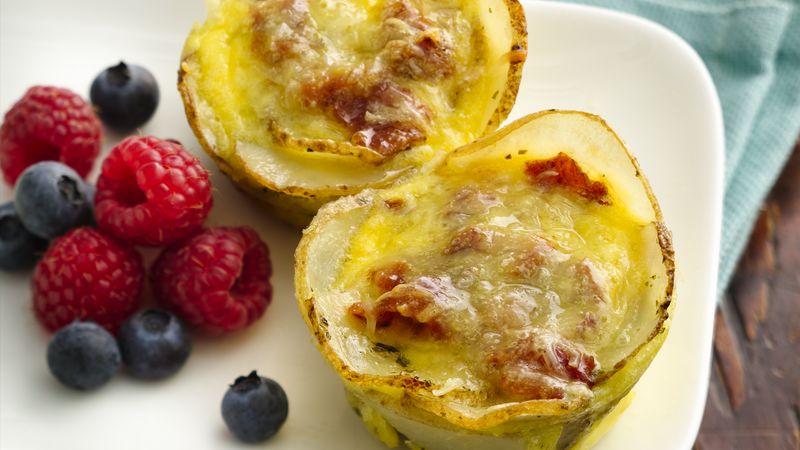
Egg Muffins

These are incredibly versatile and packed with protein (throw in some quinoa for an extra-satisfying version).

egg mfufins.jpg

Overnight Oatmeal

I’ll admit, I was skeptical about the overnight oatmeal craze. I mean, who doesn’t want to start their morning with cold, soggy oatmeal? Turns out it’s amazing though. Try it before you knock it.

overnight-oats-21-800x1200.jpg

Pancake Bites

Ok, so these are not necessarily the MOST healthy make-ahead breakfast option, but look at how cute!! There is no way the pickiest eater in your family would not happily eat these in the back of a car on the way to school.

mini-muffin-pancake-bites-step3-srgb..jpg

A Day In the Life: ALFN Market Volunteers

Have you ever wondered what it’s like to volunteer at the ALFN Market? This post takes you step-by-step through a day in the life of our Saturday morning volunteers! Our shifts are divided into two sections: 8:00-10:15, and 10:00-12:15.

8:15 – Cofffeeeeeeeeee. The early morning shifts starts….early. Well, 8:15 early. Volunteers roll in to the kitchen at Christ Episcopal Church and fix some coffee before starting the morning’s work.

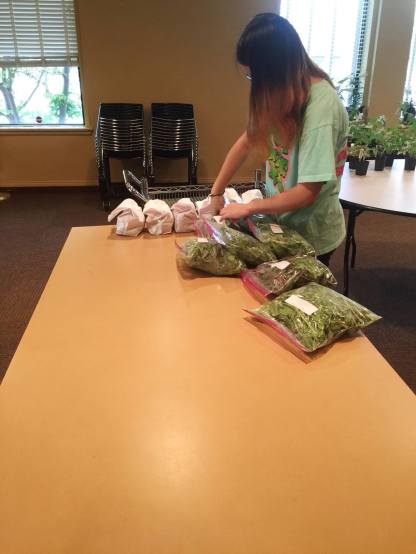
8:15-8:45 – Setup. After the main room is setup up with tables, volunteers move all the produce that farmers have been dropping off for the market out of the fridges and organize it.

17975873_10155285071258408_1310148144_o

8:45-9:45 – Inventory. Once the produce is arranged on the tables, the Food Club Coordinator hands out the inventory sheets, and the counting begins. Volunteers must carefully check that each grower delivered the correct number and type of product. Hopefully by now the coffee has kicked in!

17976781_10155285071663408_221875917_o

9:45-10:00 – Snack Time. While the Food Club Coordinator vanishes to the office to finish getting ready for opening, volunteers can enjoy delicious snacks and more coffee, most of which are ordered right off the market! This is a great time to take advantage of your $5 volunteer credit and scope out the extras list too…

17976729_10155285071453408_1222946070_o

10:00 – Customers arrive. Our customers grab their order sheet and hand them off to volunteers in the kitchen and produce room to fill them. A volunteer’s job is to make sure that every customer is getting the correct quantity and type of product. If you’ve ever volunteered, you know how confusing the first few times can be! From a fridge full of eggs you have to find the right grower (usually we have 5 different farmers bringing eggs), the right size (medium, large, or jumbo?), AND the right color (green eggs are a thing!). This is why we encourage our volunteers to come back for a shift every month (plus you can get your free membership this way!)

11:45-12:15 – The Aftermath. Ok, so actually the market is so fun that time flies by while you’re helping customers. Before you know it, it’s time to start wrapping everything up. Volunteers start bagging orders that will be picked up on Monday, leaving messages with customers who missed their pickup (don’t feel bad if you’ve ever missed your order…it happens every weekend!), and tidying up the produce room and kitchen. Every volunteer leaves with some sort of treat, whether it’s discounted groceries or leftover volunteer snacks.

ALFN relies on dedicated volunteers to run our markets. Get involved with local food, and with your community! Now that you know what it’s all about, sign up for an upcoming Saturday shift.

Giving Back Through Fresh Local Foods

“I feel this program is a great resource for my family.”

“[I get]…good quality food I normally can’t afford but helps my health.”

“[Green Groceries]…fills the gap in between shopping weeks and provides healthier options. Some of the veggies and meats I’d never tried before.”

resized_99261-adgrgroceries0910_03_65-21818_t635.JPG
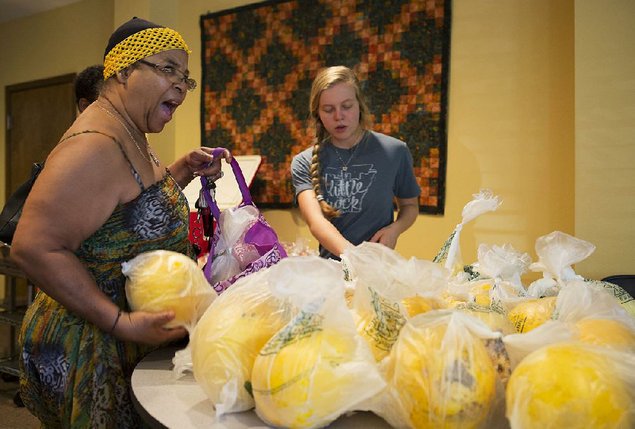
Marion Hill reacts to the fresh produce offered as part of the Green Groceries program at Christ Episcopal Church. Photo by the Arkansas Democrat-Gazette.

These are just a few of the great comments we are getting from members of the Green Groceries Program at Christ Episcopal Church. The concept of the program is simple: getting fresh, local foods into the hands of low income families in need. Families receive a basket with foods like high quality meats, vegetables, fruit, bread, eggs, and honey every other week, and local growers receive full payment for their products.

Christ Church member Susie Shinn designed and implemented this program over three years ago, and it continues to be a growing, lively service with committed and welcoming volunteers. In February, Candace McCallister took over leadership of the program, with hopes of continuing Susie’s wonderful vision and expanding the program to serve more people in a fresh and sustainable way.

The program is a beautiful circle, supporting local growers, feeding local families with truly healthy food, and offering the rest of us the opportunity to share our bounty. The work of Green Groceries would not be possible if local people didn’t sponsor grocery baskets for their neighbors in need.

Green Groceries also has a strong partnership with ALFN in ordering and delivering the food. This week, if you make a donation to ALFN through Arkansas Gives, your gift will support Green Groceries and ensure that families in Little Rock have better access to nourishing, local foods.

By the 2017 Green Groceries Director, Candace McCallister

Support ALFN on April 6th for Arkansas Gives and help us continue to support programs like Green Groceries!

Timely Tips for the Newbie Gardener

Ahhhhh, Spring is in the air! Literally. Is anyone not suffering from allergies right now? Possible death by pollen aside, now is the perfect time to start your spring garden. Maybe you’re someone with a large backyard garden looking to experiment with a new row of vegetables, or a total gardening-newbie who has a container pot that just opened up (hey, we know you didn’t mean to kill the last plant you had in it). Whatever your mastery level, be sure to check out the “Plants, Flowers, and Seeds” category on the ALFN Market and see what we have to help get your spring garden started. And if you are a total newbie, here are a few tips to help get you started this Spring!

  • Be realistic. I know how it goes – you have that 10’x20′ patch of grass on the side of your house that you just KNOW would make the most beautiful garden. Before you go tilling up the whole thing, be honest about your time commitment. I don’t say this to deter anyone from taking the plunge, but growing your own food can be hard! If you’re a busy person and this is your first time planting, keep it simple. Something like an indoor herb garden can be the perfect thing to get your feet wet.
Indoor-Herb-Garden-Ideas-Mason-Jar-DIY-Herb-Garden.jpg
Nothing wrong with keeping it simple!
  • Grow in soil, not dirt. If you’re growing in an urban environment, chances are the dirt in your background is not going to cut it. Growing in healthy soil is linked directly to the nutritional value and flavor profile of your plants, so if you’re growing edibles make sure you’re investing in great soil! Consider creating a compost pile to amend your soil, or if you’re not up to keeping up with the nitrogen-carbon ratios and the turning that good compost requires, invest in a quality product from a farmer’s co-op or the local soil experts at The Urban Food Loop.
  • Talk to local gardeners. It can be tempting to click a couple of Pinterest links and think you have it all figured out, but online articles are usually very generalized and don’t take into account the specifics of a region (and our weather is no picnic to navigate). Whether it’s talking to a friend who’s a seasoned gardener or chatting with an employee at a local co-op, make sure you get a few tips from local growers!
  • Try, Try Again! You will kill some plants. You may kill all your plants. It’s ok! The beautiful thing about seasons is they keep rolling around. If your spring garden is a total flop, do some research and try again with a summer garden. Keep it easy and fun!

-Claire H., ALFN Program and Market Manager